DR 5018 M 802.11AX 2×2 MU-MIMO OFMDA Multifunction EMBEDDED BOARD, Qualcomm IPQ 5018, WiFi 6, Wallys
$ 89.10
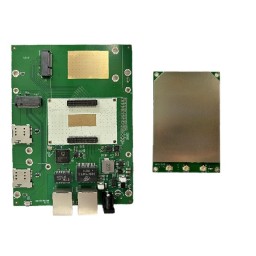
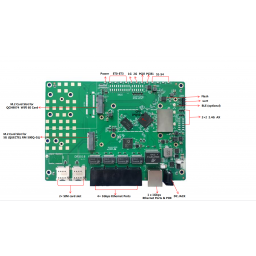
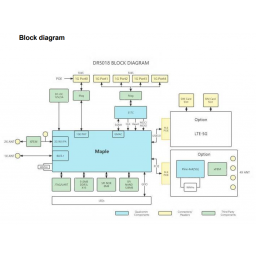
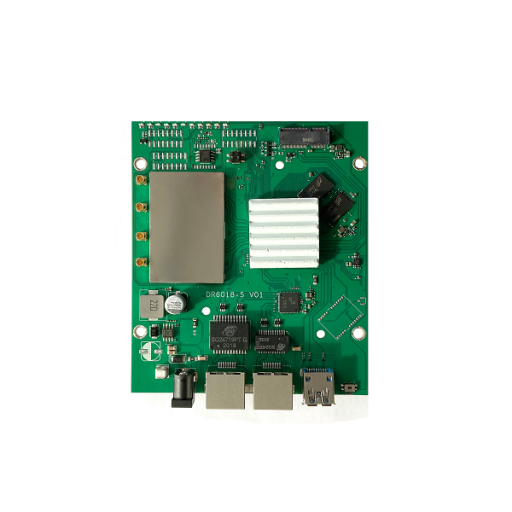
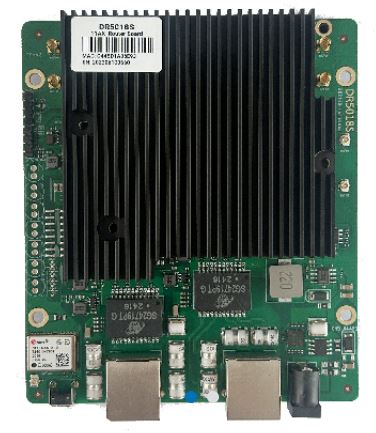
Samples are available now! 11AX 2X2 MU-MIMO OFDMA SINGL BAND ANOTHER SLOT FOR DUAL CONCURRENT, EMBEDDED BOARD WITH LTE GATEWAY SUPPORT IPQ5018: LOW-COST OFDMA SUPPORTED WIFI 6 IIOT SOLUTION DR5018, SUPPORT OPENWIFI Revolutionize your IIoT connectivity with the low-cost OFDMA-supported WiFi 6 solution, DR5018, powered by the IPQ5018. Explore the transformative potential of this advanced networking solution designed by Qualcomm Technologies. IPQ5018 OVERVIEW: The IPQ5018, featuring a dual-core ARM Cortex-A53 processor running at 1.0 GHz, stands as a potent SoC specifically crafted for advanced networking applications. This SoC strikes a harmonious balance between processing power and efficiency, making it a cornerstone for industrial IoT (IIoT) solutions. QCN6122 AND QCN6102 (5G&6E RADIO): Enhance your WiFi 6 experience with the advanced IPQ5018 platform, coupled with QCN6122 and QCN6102 high-performance Wi-Fi chips. While both chips serve embedded and industrial applications, they differ in architecture, network speeds, power consumption, and peripheral interfaces. QCN6122, with its dual-core processor and higher network speed, caters to high-speed data transmission and processing needs, while QCN6102 is more suitable for low-power applications, such as IoT devices. Both chips seamlessly integrate with the IPQ5018 board, ensuring high-performance and high-speed Wi-Fi connections for various industrial applications. WALLYS DR5018 AND WALLYS DR5018M: Wallys presents the DR5018, a versatile router board offering two cost-effective industrial WiFi 6 solutions. The DR5018, paired with different cards, enables dual-band applications, supporting 2.4GHz, 5GHz, and 6GHz frequencies. The DR5018M, a compact WiFi 6 System-on-Module (SoM), builds upon the IPQ5018’s performance with a smaller form factor, catering to a broader range of applications. Both solutions, equipped with Qualcomm’s IPQ5018 chipset, deliver powerful processing capabilities and support the latest WiFi 6 standard. They are ideal for industrial, enterprise, and IIoT applications. Whether you opt for the DR5018 or DR5018M, both configurations offer advanced features such as Quality of Service (QoS) management, secure guest access, and parental controls. These router boards provide reliable and high-speed internet connections, making them suitable for diverse industrial and smart applications. With the IPQ5018 at their core, these solutions ensure seamless connectivity and performance in the rapidly evolving landscape of wireless communication. Are you ready to revolutionize your IIoT connectivity? Join us on this journey as we explore the transformative potential of WiFi 6 with the IPQ5018. DECODING THE WIRELESS WORLD: OFDM VS. OFDMA In the fast-paced realm of wireless communication, understanding the nuances between OFDM (Orthogonal Frequency Division Multiplexing) and its advanced counterpart, OFDMA (Orthogonal Frequency Division Multiple Access), is crucial. Let’s dive into the key distinctions that shape their roles in shaping our connected experiences. 1. Fundamental Concepts: OFDM: Unveiling the potential of dividing communication channels into narrowband subchannels, OFDM orchestrates a symphony of orthogonal frequencies to minimize interference. OFDMA: Elevating the game, OFDMA extends OFDM’s capabilities by introducing the power of multiple access. Now, multiple users can seamlessly transmit and receive data simultaneously through the allocation of specific subchannels. 2. Accessing the Spectrum: OFDM: Traditionally employed for point-to-point communication scenarios, where a single transmitter engages with a single receiver. OFDMA: Designed for the bustling landscapes of multi-user environments, OFDMA takes center stage in cellular networks (LTE, 5G) and Wi-Fi systems, fostering simultaneous communication among diverse users. 3. Dynamic Resource Allocation: OFDM: A stalwart with fixed subchannel allocation for a single user or transmission entity. OFDMA: Embracing dynamism, OFDMA thrives on dynamic subchannel allocation, adapting to the ever-changing demands of multiple users and optimizing spectrum usage. 4. Application Efficiency: OFDM: Efficiency is its forte in scenarios involving a solitary user, as witnessed in traditional Wi-Fi and wired communication systems. OFDMA: The efficiency champion in environments pulsating with multiple users, addressing varied data rate requirements seamlessly. Its flexibility shines in modern wireless systems. As we navigate the wireless landscape, the synergy of OFDM and OFDMA unfolds, playing distinct roles in single-user and multi-user scenarios. Whether it’s the robust individuality of OFDM or the collaborative prowess of OFDMA, each contributes to the seamless tapestry of our interconnected world. Hardware Specifications Symbol Parameter CPU Qualcomm-Atheros IPQ5018 CPU Frequency Dual-core ARM 64 bit A53 @1.0 GHz processor System Memory 512MB DDR3L 16-bit interface with 32-bit memory bus design Ethernet Port 4 x 1Gbps Ethernet Ports or 1 x 1Gbps Ethernet Port & Poe NGFF Slot M.2 Card Slot for 5G (QUECTEL RM 50xQ) ;M.2 Card Slot for QCN9074 WIFI 6E Card EMMC NA USB /header 1x USB 3.0 Port (optional) POE POE 802.3 bt,at,af SUPPORTED DC Jack 12V power supply LED header LED for power ,Wifi strength Serial Port support, uart Wireless On-board 2×22.4GHz MU-MIMO OFDMA 802.11b/802.11g/802.11n/802.11ax,max 23dBm per chain 2x IPEX Connectors Bluetooth BT5.1 Nor Flash 8MB Nand Flash 128 MB DDR 512MB Dimension 170mm x 120mm x 15mm Absolute Maximum Rating Parameter Rating Unit Supply Voltage 12 V Operating Temperature Range -40 to 70 ºC Storage Temperature Range -45 to 105 ºC Operating Humidity Range 5 to 95 (non-condensing) % Radio TX Specifications(2412MHz-2482MHz) Operating Mode Data Rate Power Tolerance 1 Chain 2 Chains 2.4Ghz 802.11ax HE20 MCS0 23dbm 26dbm ±2dB MCS1 23dBm 26dBm ±2dB MCS2 23dBm 26dBm ±2dB MCS3 23dBm 26dBm ±2dB MCS4 23dBm 26dBm ±2dB MCS5 23dBm 26dBm ±2dB MCS6 23dBm 26dBm ±2dB MCS7 22dBm 25dBm ±2dB MCS8 21dBm 24dBm ±2dB MCS9 21dBm 24dBm ±2dB MCS10 18dBm 21dBm ±2dB MCS11 17dbm 20dbm ±2dB 2.4Ghz 802.11ax HE40 MCS0 23dbm 26dbm ±2dB MCS1 23dBm 26dBm ±2dB MCS2 23dBm 26dBm ±2dB MCS3 23dBm 26dBm ±2dB MCS4 23dBm 26dBm ±2dB MCS5 23dBm 26dBm ±2dB MCS6 23dBm 26dBm ±2dB MCS7 22dBm 25dBm ±2dB MCS8 21dBm 24dBm ±2dB MCS9 21dBm 24dBm ±2dB MCS10 21dBm 24dBm ±2dB MCS11 19dbm 22dbm ±2dB Radio TX Specifications(2412MHz-2482MHz) Operating Mode Data Rate Power Tolerance 1 Chain 2 Chains 2.4Ghz 802.11ax HE20 MCS0 23dbm 26dbm ±2dB MCS1 23dBm 26dBm ±2dB MCS2 23dBm 26dBm ±2dB MCS3 23dBm 26dBm ±2dB MCS4 23dBm 26dBm ±2dB MCS5 23dBm 26dBm ±2dB MCS6 23dBm 26dBm ±2dB MCS7 22dBm 25dBm ±2dB MCS8 21dBm 24dBm ±2dB MCS9 21dBm 24dBm ±2dB MCS10 18dBm 21dBm ±2dB MCS11 17dbm 20dbm ±2dB 2.4Ghz 802.11ax HE40 MCS0 23dbm 26dbm ±2dB MCS1 23dBm 26dBm ±2dB MCS2 23dBm 26dBm ±2dB MCS3 23dBm 26dBm ±2dB MCS4 23dBm 26dBm ±2dB MCS5 23dBm 26dBm ±2dB MCS6 23dBm 26dBm ±2dB MCS7 22dBm 25dBm ±2dB MCS8 21dBm 24dBm ±2dB MCS9 21dBm 24dBm ±2dB MCS10 21dBm 24dBm ±2dB MCS11 19dbm 22dbm ±2dB
Related products
Sale!
Sale!
Sale!